How community health volunteers are quietly changing lives in rural Nicaragua
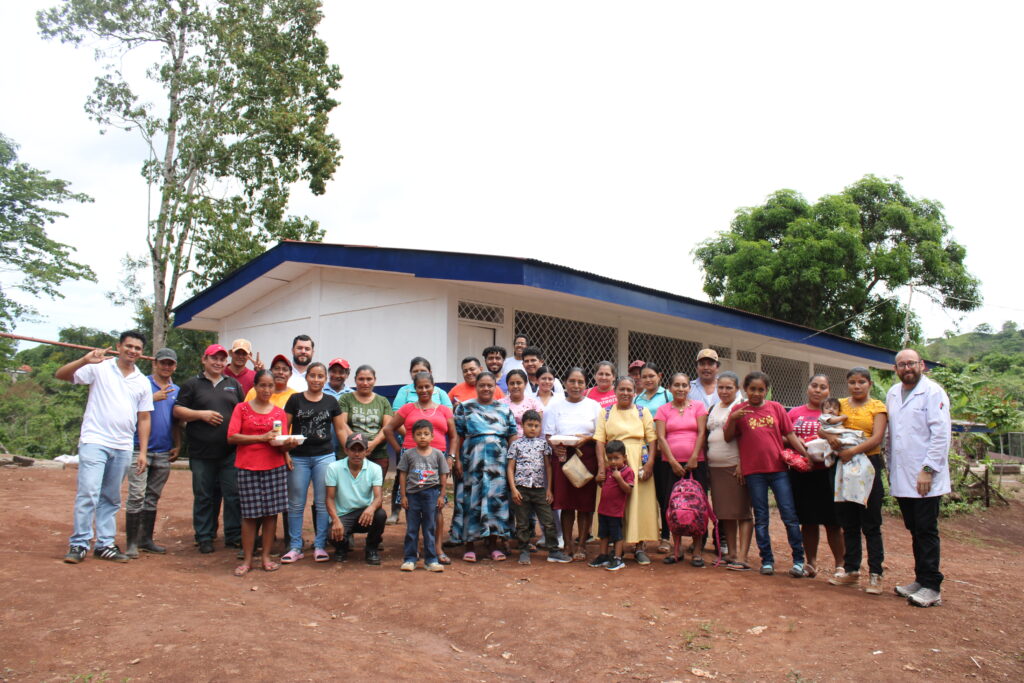
The road to Boca de Piedra, a rural community nestled in the mountains of Matagalpa, is not an easy one. But for AMOS Health and Hope, and for the health volunteers who gathered there, the journey was more than worth it.
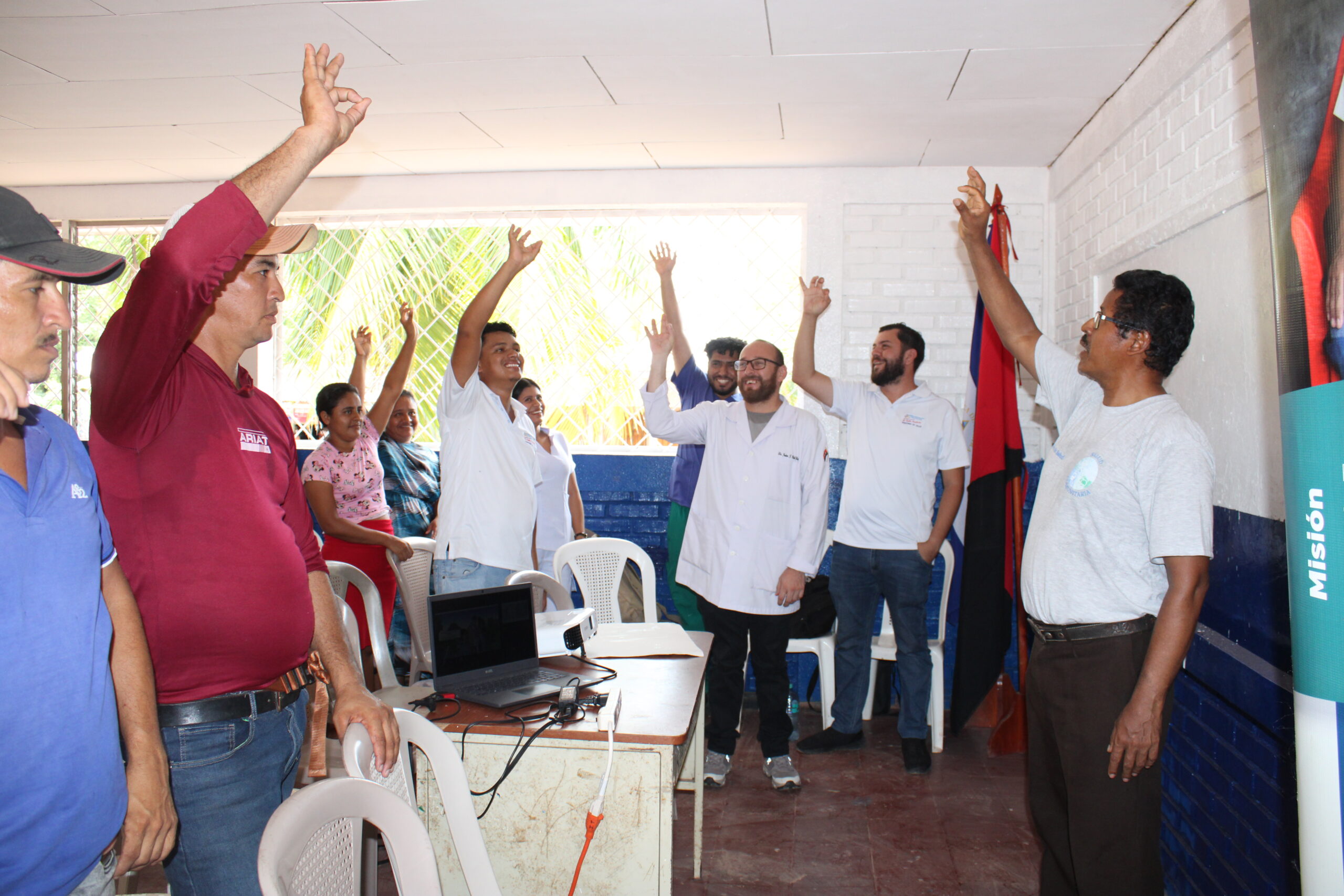
AMOS traveled to this remote corner of Nicaragua to meet with a group of community health volunteers — ordinary people doing extraordinary work. Alongside staff from the Ministry of Health (MINSA), they sat together to talk, share, and learn about family planning and reproductive health education. But more than a training session, it was a space for reflection, connection, and hope.

The Chain of Knowledge
The system is simple, and yet profound. Health volunteers travel from their communities to attend these meetings, where they refresh existing knowledge and learn new topics in health. Then they return home and pass that knowledge on — neighbor to neighbor, family to family — continuing a chain of education that reaches places where formal health systems often cannot.
They do this without pay. No salary, no incentive beyond the quiet conviction that a healthier community is worth the effort.
Why Family Planning Matters Here
In rural Nicaragua, an unplanned teenage pregnancy can alter the entire course of a young woman’s life. The likelihood of staying in school drops. The economic pressure of raising a child without resources rises. And with it, the risk of living in extreme poverty.
This is why family planning education is a question of opportunity, of freedom, of what a girl gets to become.
The Obstacles
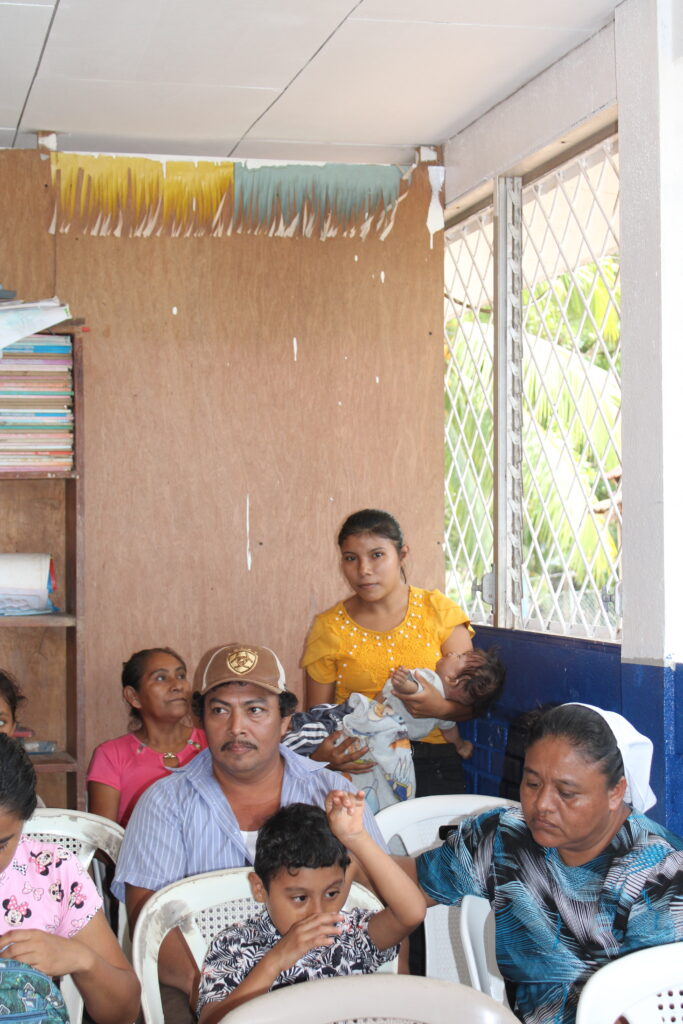
Doña Verónica knows this better than most. At 59 years old, she has been a health volunteer in the community of Sofana for years. She has sat with women in their homes, answered their questions, and gently challenged the myths that have been passed down for generations.
It hasn’t always been easy.
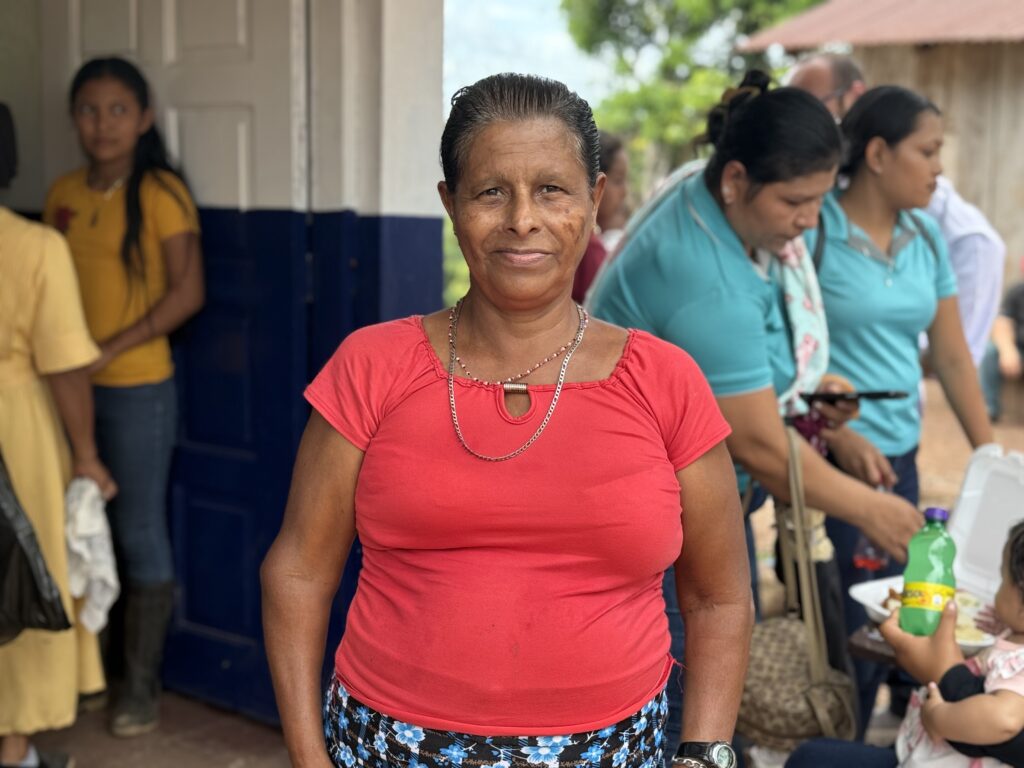
“I have received my share of insults and condemnations from a local church pastor,” she shares, her voice steady. “Many women don’t want to use contraception — not even after an unplanned pregnancy.”
The barriers she faces aren’t only cultural. Religious leaders in some communities actively discourage family planning, and the weight of that influence is hard to compete with. But Doña Verónica keeps showing up, because she knows that trust — built over years of living alongside her neighbors — is something no lecture or pamphlet can replace.
A Joke With a Point
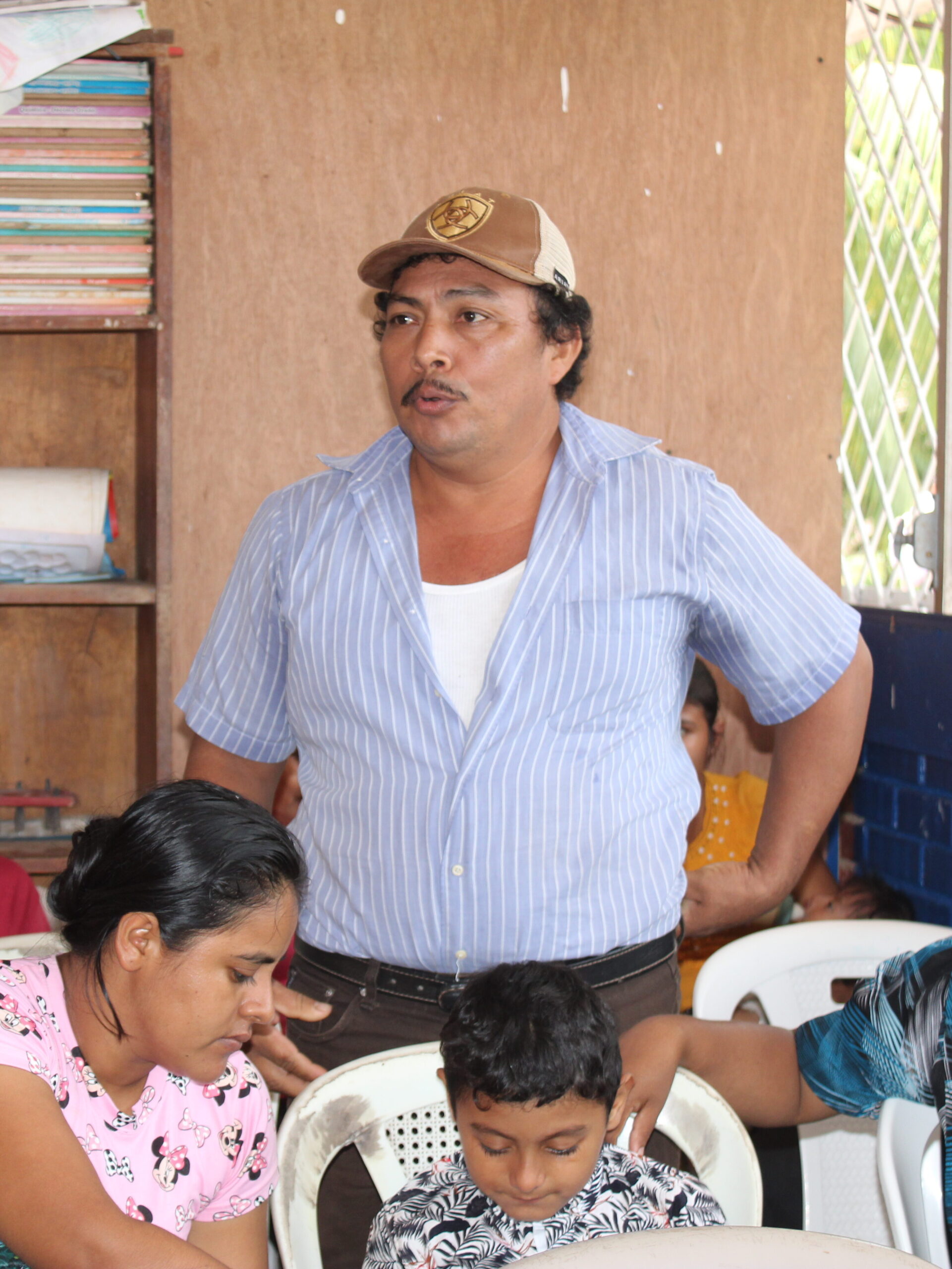
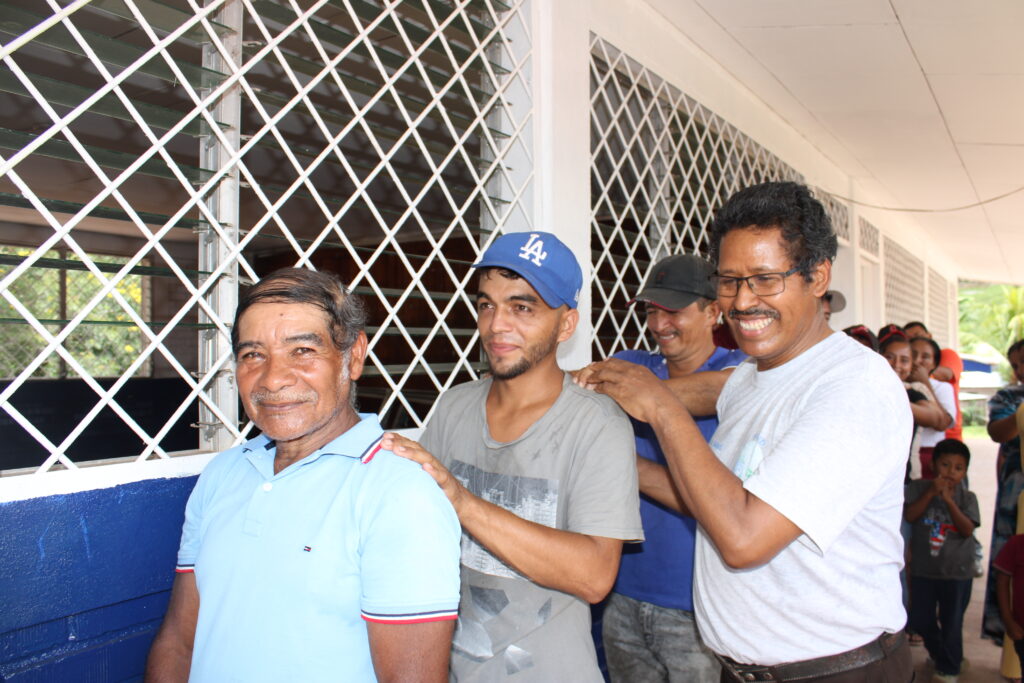
A few communities away, in Kusulí, Don Rafael tells a different story — and he tells it with a laugh.
“Now we have to go out and encourage people to have children, because there isn’t a single pregnant woman around,”
he says, amused and unmistakably proud.
It’s a joke, but it points to something real: the work in his community has taken hold. Family planning is no longer a foreign concept — it’s a practice. And when the time came to think about the next generation of the challenge, Don Rafael and his community turned to the schools.
We coordinate with the local education center. We believe that family planning isn’t about giving young people the freedom to do whatever they want — it’s about preventing early pregnancies through informed decisions,”
That shift — from crisis response to proactive education — has made all the difference.
What These Gatherings Make Possible
Meetings like the one in Boca de Piedra matter because they create space for people like Doña Verónica and Don Rafael to be heard — to share what’s working, what isn’t, and what they need.
They come from different communities, face different obstacles, and tell different stories. But they share the same commitment: to carry health, dignity, and knowledge back to the people who trust them most.
At AMOS, we believe that change doesn’t arrive from the outside. It grows from within communities, carried by the hands of people who have chosen, without being asked, to take care of their neighbors.
We are honored to walk alongside them.